Kami wa Game ni Ueteiru Vol 9 - Ending! Heketomaria final showdown!
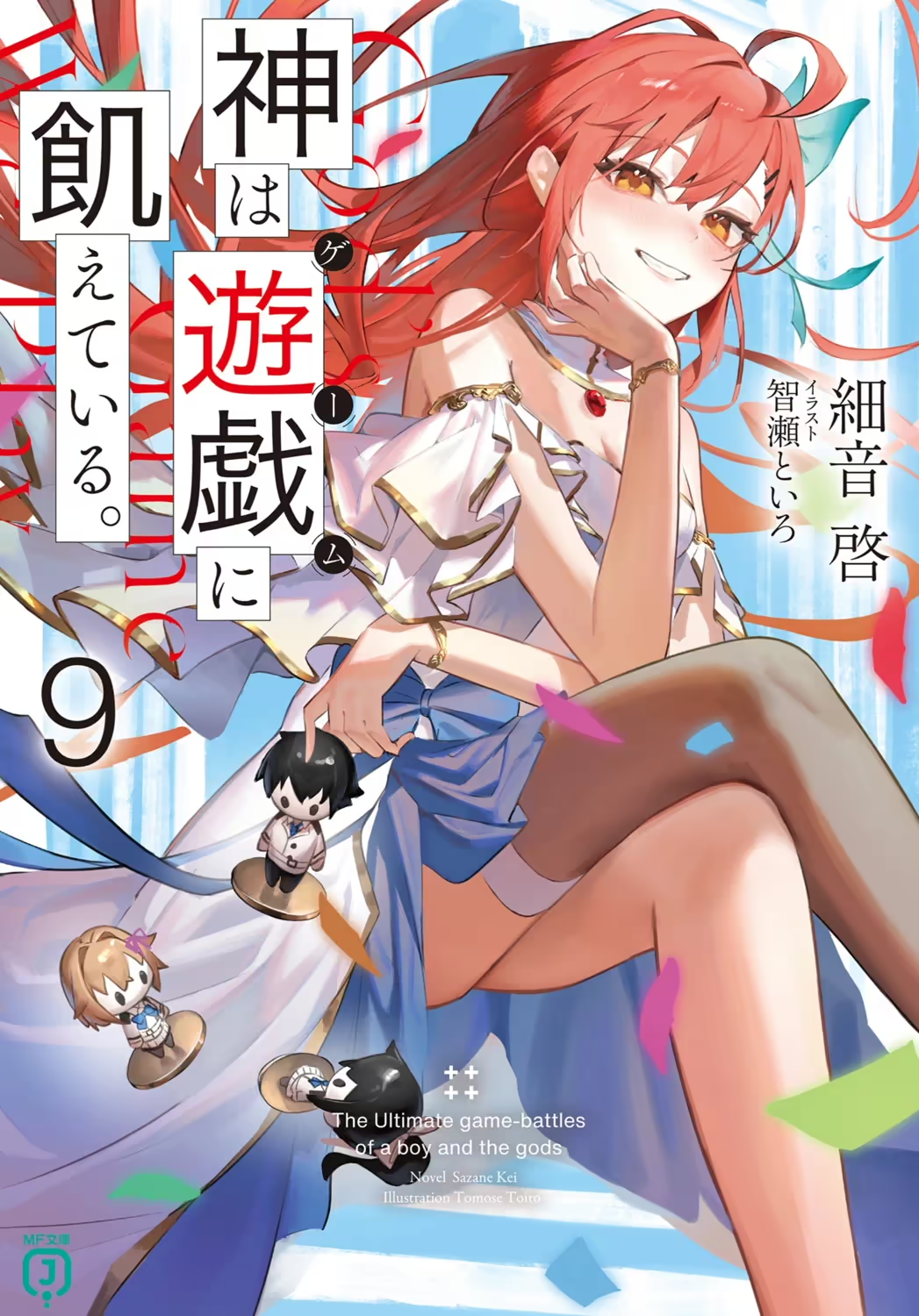
Volume 9 of the light novel series Kami wa Game ni Ueteiru (God’s Game We Play) completes the story with what is, all things considered, a rather uneventful episode. As predicted in my previous post, the story concludes with a final confrontation against Hereneya in her goddess form, Heketomaria.
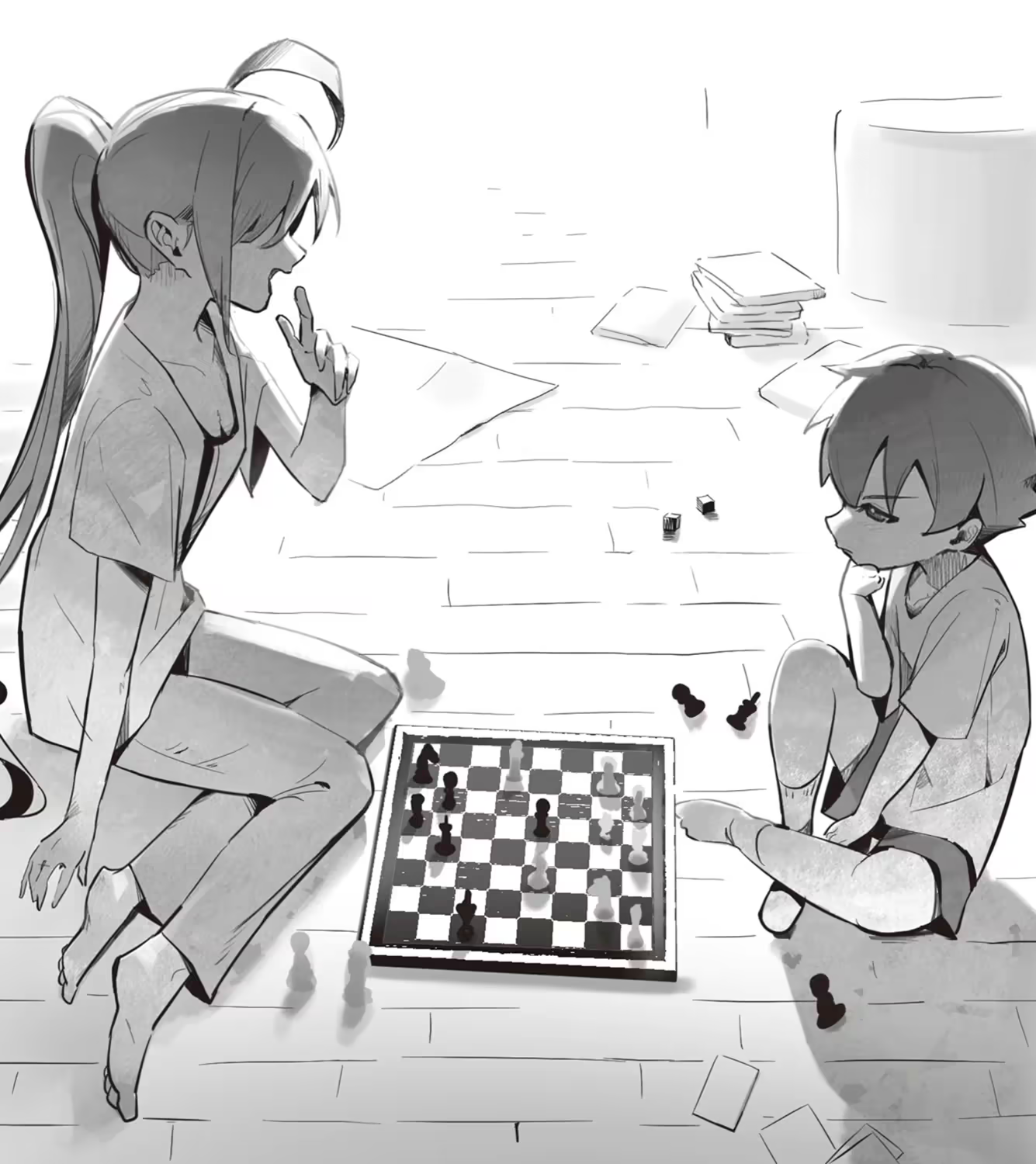
The game is called Ragna League, which is a revised version of the standard Mind Arena game that everyone in this world knows and plays. Think of it like a standard board game where players move across cells and must reach a specific target cell to win.
Each player receives four dice cards and four magic cards. There are two victory conditions: the aforementioned goal of reaching the target cell, and reducing the opposing team leader’s HP to zero. Each player chooses a class with special skills that allow them to perform specific actions.
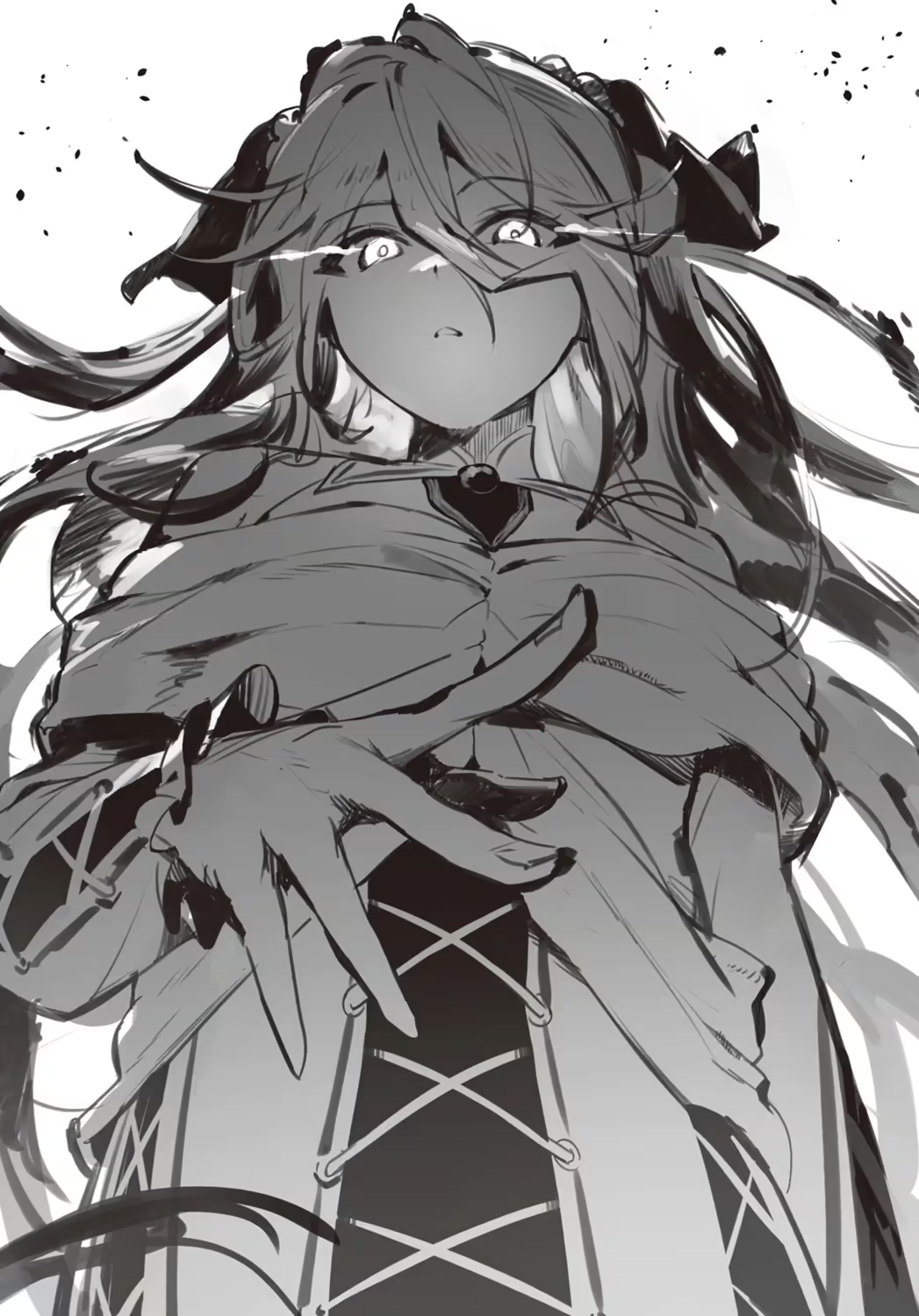
This is where the differences become clear. The four players on the God side receive ultra-powered classes with very few restrictions, while the human side is given traditional fantasy roles (Hero, Sage, etc.) with many limitations. To top it off, each player's total life is determined by the number of gods they have defeated. This means Fay and his team have 9 HP, while Heketomaria has 17.
As she warned, the game heavily favors the God side to the point where there is little chance of victory. After all, Heketomaria’s goal is to create a game so difficult that it causes everyone to lose the will to play, eventually deleting all memories of the system from humanity.
As is usual for the games in this series, the initial explanations include many "????" markers for details that remain unclear until the game progresses. Despite the group's best efforts, the initial steps go poorly, leaving everyone with a very small amount of health.
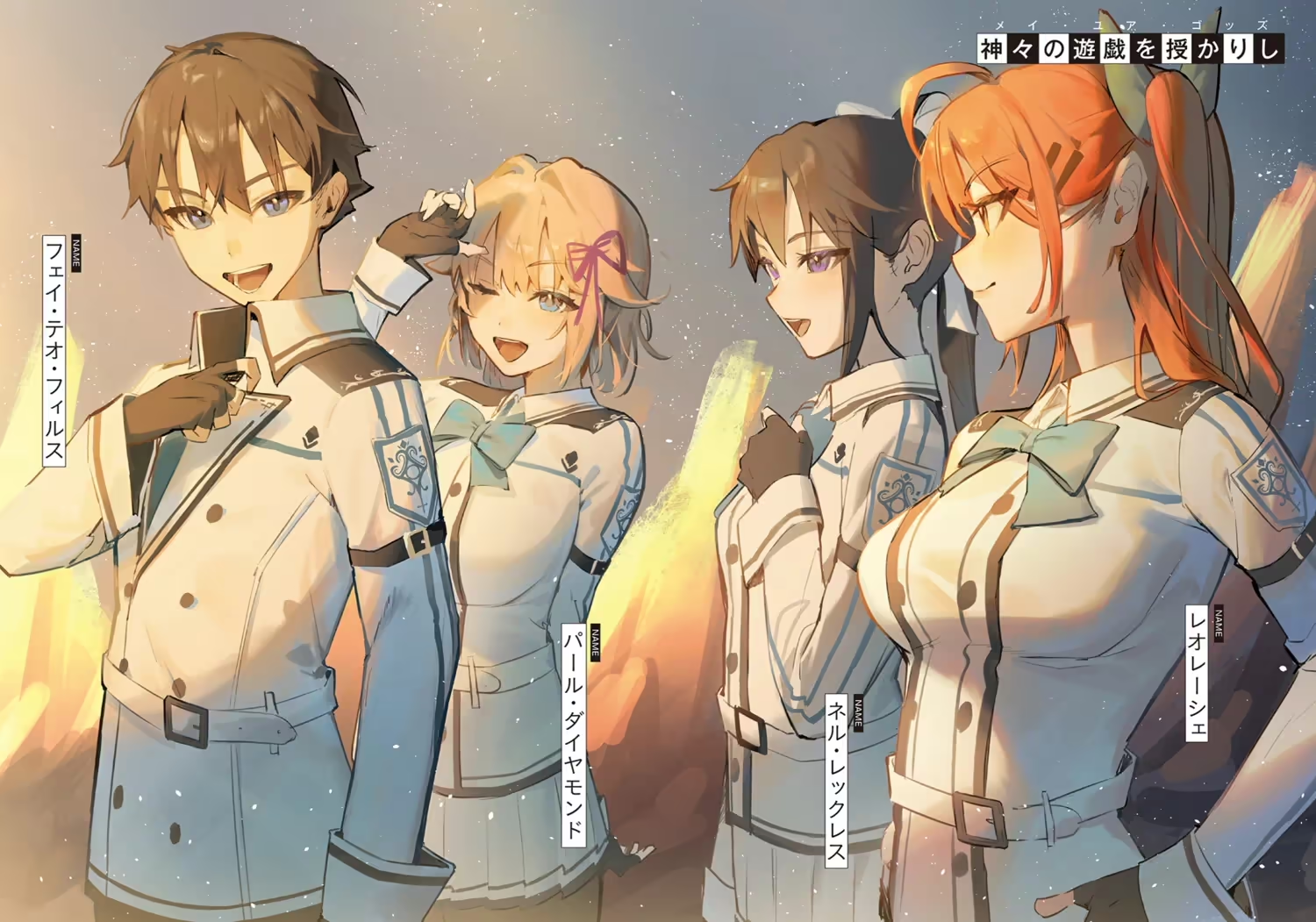
Heketomaria is certain of her victory and plays her cards perfectly, but she makes one mistake that leads to a major surprise. She assumes Fay has only 9 victories. In reality, he has 12 because he sold three of them to help Ney recover during a previous match against the Bookmaker. This allows Fay to survive a fatal hit and launch a counterattack.
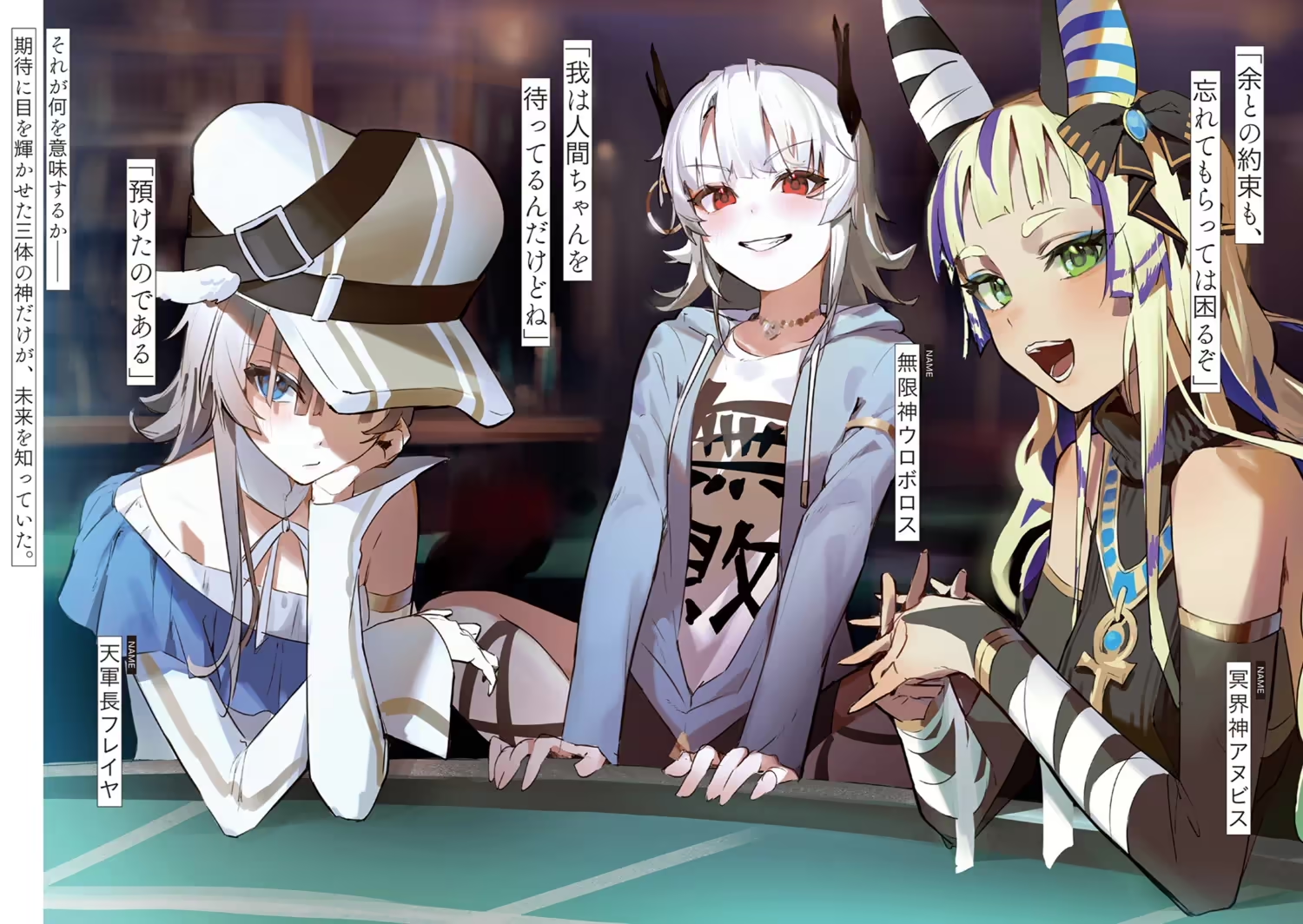
Using items granted by other gods during his various victories in previous volumes, Fay summons those gods to invalidate Heketomaria’s advantages. Ouroboros (seen in the screenshot below) arrives as well and overrides the field, making it its own and invalidating Heketomaria’s status as a god.
Thanks to these interventions, Fay manages to resurrect Ney, Pearl, and Leoleshea for a final strike. They use a series of trap fields (which the enemy themselves had set up) to reduce Heketomaria’s health, which had reached the millions. The game is won, and they finally achieve their tenth victory.
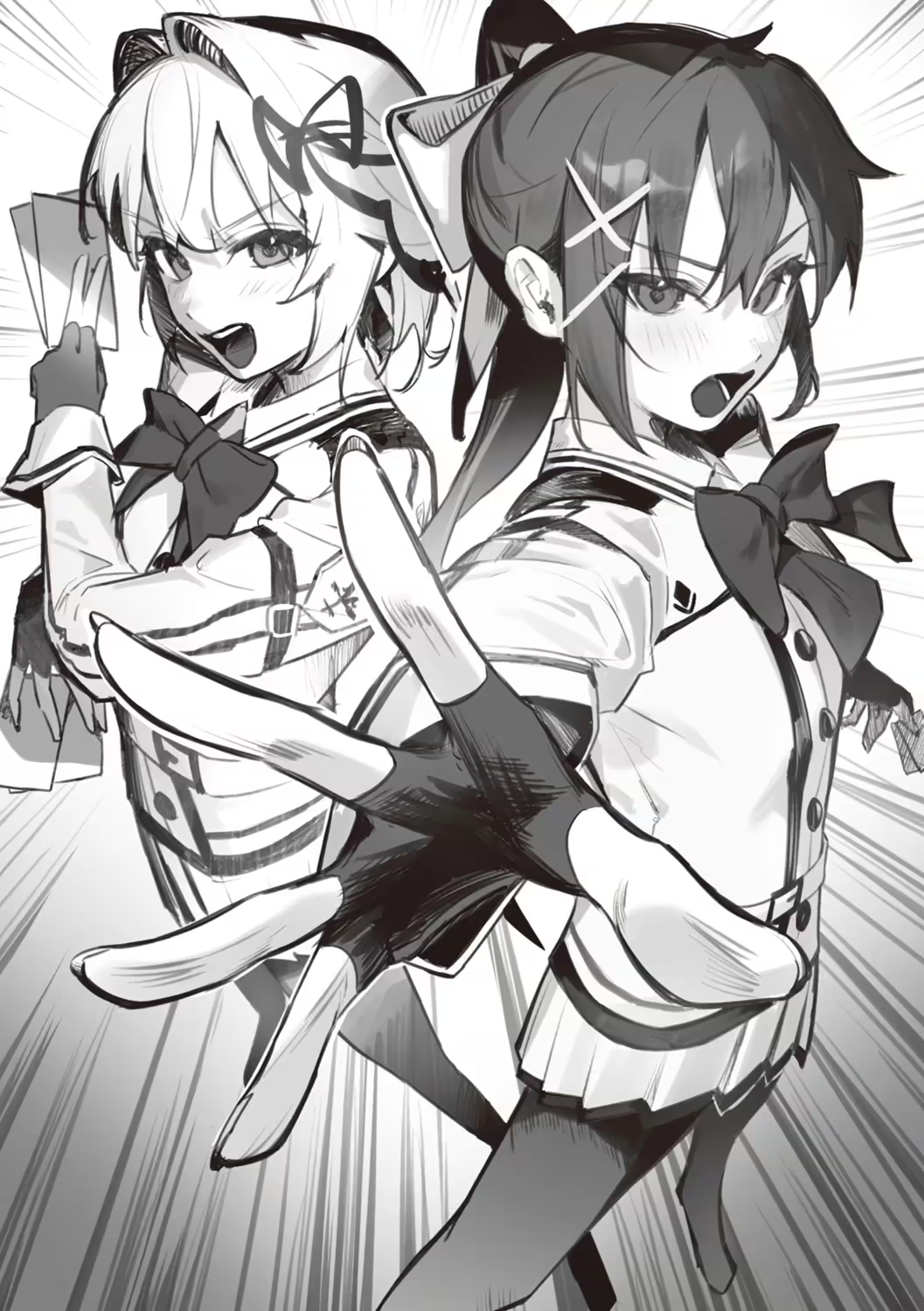
So far, it was a great volume and the game itself was well-written, even if it was somewhat standard. However, the issues begin here because the author wraps up everything else in the series in the span of about 20 pages. Ney, Fay, and Pearl become gods, but they decide to give up their powers almost immediately to return to their normal lives.
Leoleshea is revealed to be the mysterious red-haired woman who taught Fay how to play, but this is brushed off as a minor revelation and nothing really happens because of it. Heketomaria and the other three gods simply continue their lives normally. It is also revealed that Fay made a change to the rules of the Gods' Games, removing the ten-victory limit and the three-loss limit, effectively making it free for everyone to play whenever they want.
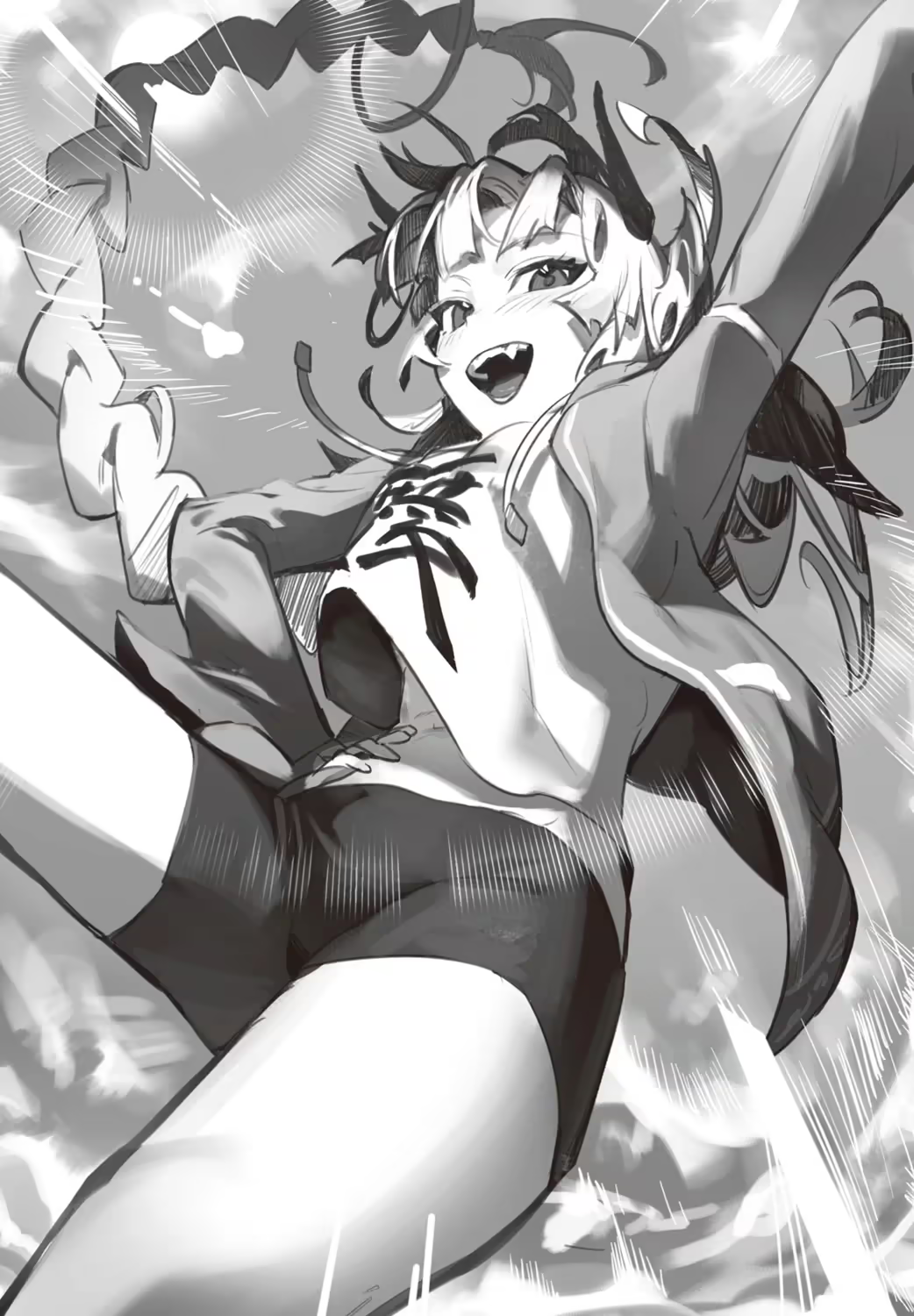
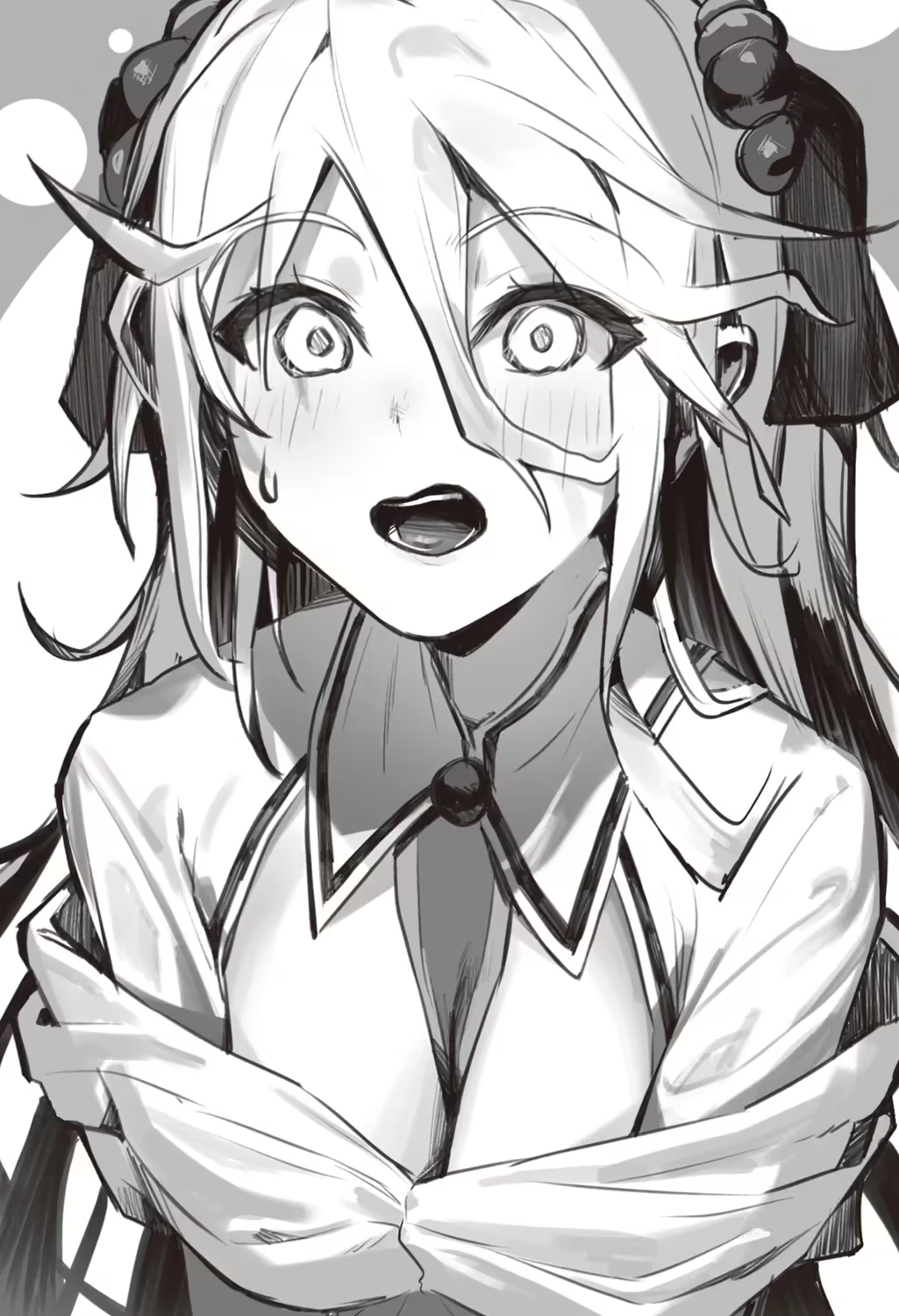
While this decision was in line with the theme of the story, it really fell short of the grand finale I was hoping for. I felt like the author either didn't want to or couldn't continue writing, and decided to wrap up the story as quickly as possible with a minimum amount of explanation.
I still think the series is good overall, and I remember being very hyped by the first few volumes, especially the Ouroboros chapter. The games were all well-designed, but the fact that the overarching story never went anywhere damaged the series as a whole, making it much more forgettable.