Ikusa Megami Zero - Haishera was a great character to listen to. Luna-Clia!
Ikusa Megami Zero is a turn-based RPG and visual novel developed by Eushully. Released in 2008, it serves as a prequel and the first title chronologically in the long-running Ikusa Megami franchise. I recently replayed it, so I decided to review it before starting the final entry in the series.
The story centers on Celica Sylphil, a young man working as a warrior priest for the Berouhart Temple. He is genuine and honest, always ready to take risks to save lives. Unfortunately, during one mission, he encounters a strange monstrosity that begins to slowly pollute the minds of the people around him, eventually leading his country to ruin.
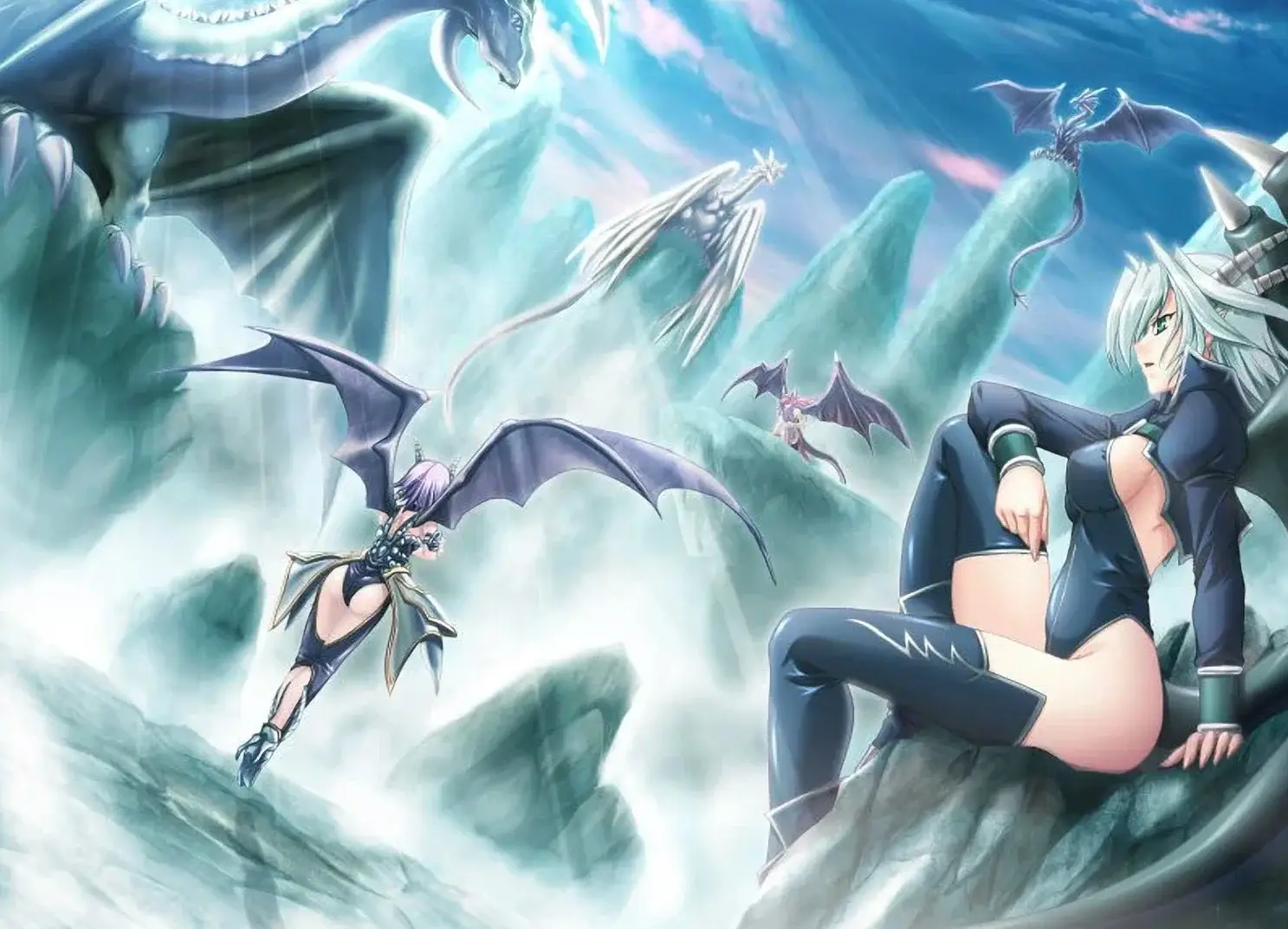
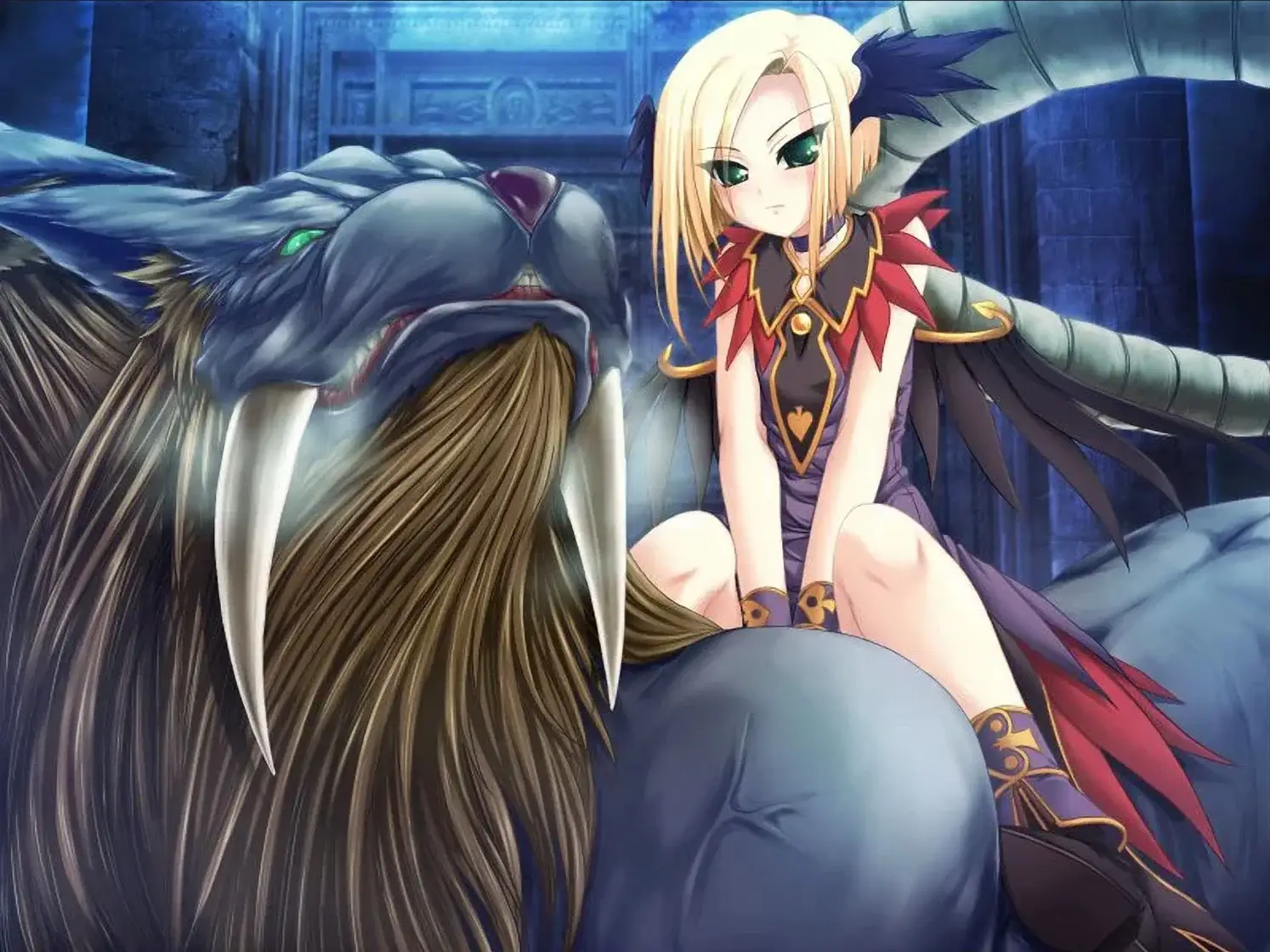
From there, a long journey begins as he encounters new people, gets involved in mysteries, faces unexpected betrayals, and fights powerful enemies. The game is full of tragedy and bleak outcomes, and it can be quite ruthless in its treatment of characters. A good piece of advice I can give you is not to get too attached to any character aside from the protagonist.
Without going too deep into spoiler territory, I can tell you that the protagonist changes for limited periods during the game, and the inclusion of various time skips turns this adventure into a full-blown epic with a satisfying payoff. This story connects to a larger series of games from Eushully, which are chronologically ordered as follows: Ikusa Megami Zero, Genrin no Kishougun, Genrin no Kishougun 2, Ikusa Megami Verita, and Tenbin no La Dea. I have not played the last one yet, but it is on my radar for the near future.
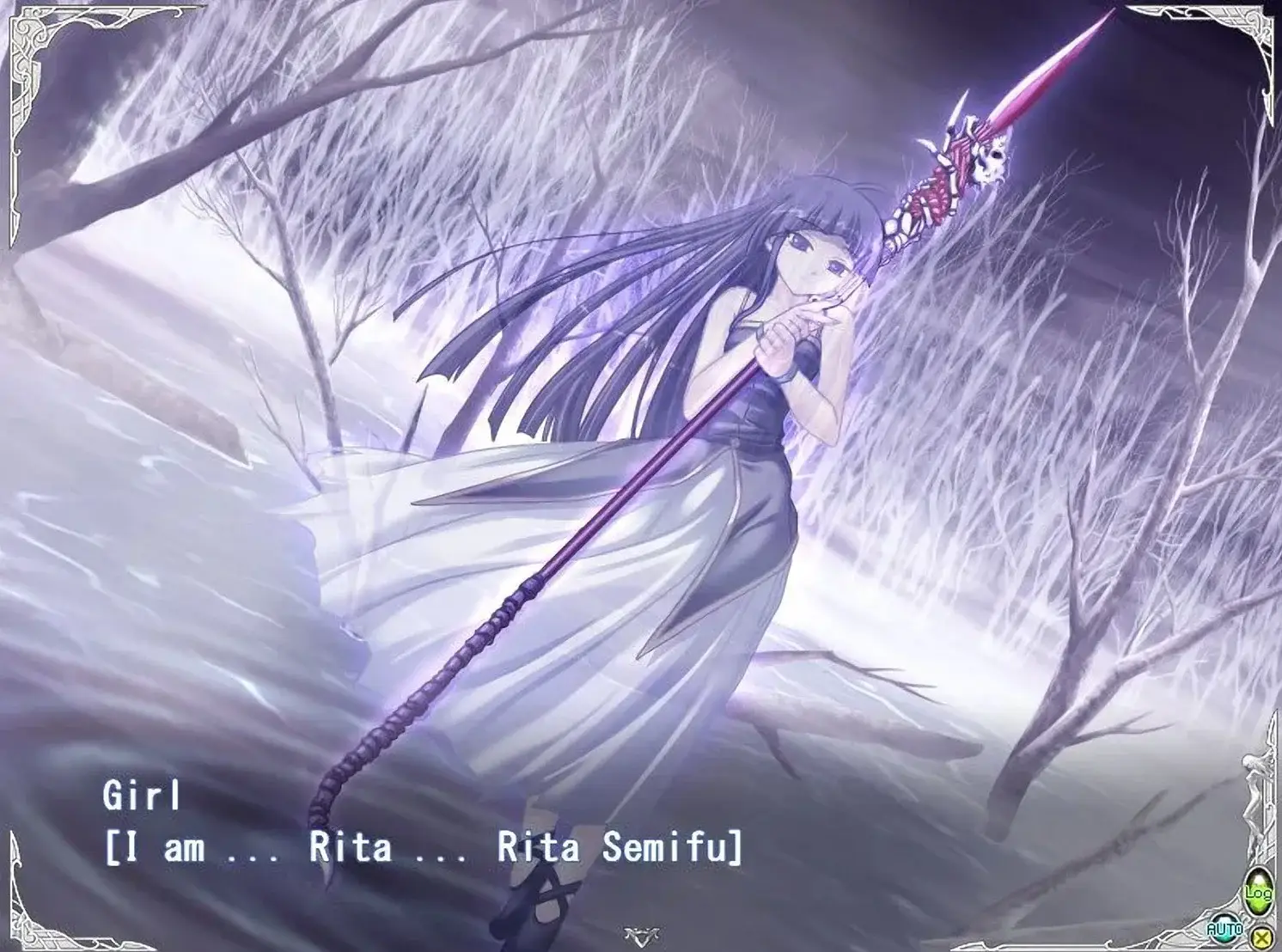

Combat follows a standard turn-based RPG format, with units positioned on a grid similar to what you would expect from an SRPG. Player units can use various skills with different areas of effect and elemental affinities, allowing for many tactical combinations to defeat the enemy.
The game can be difficult if you do not spend time leveling up your characters, as certain battles can become roadblocks. Leveling makes a significant difference, so if you are struggling, take a step back to level up your units or unlock new skills. Skills are unlocked by using a lot of times the previous skill in the skill tree.
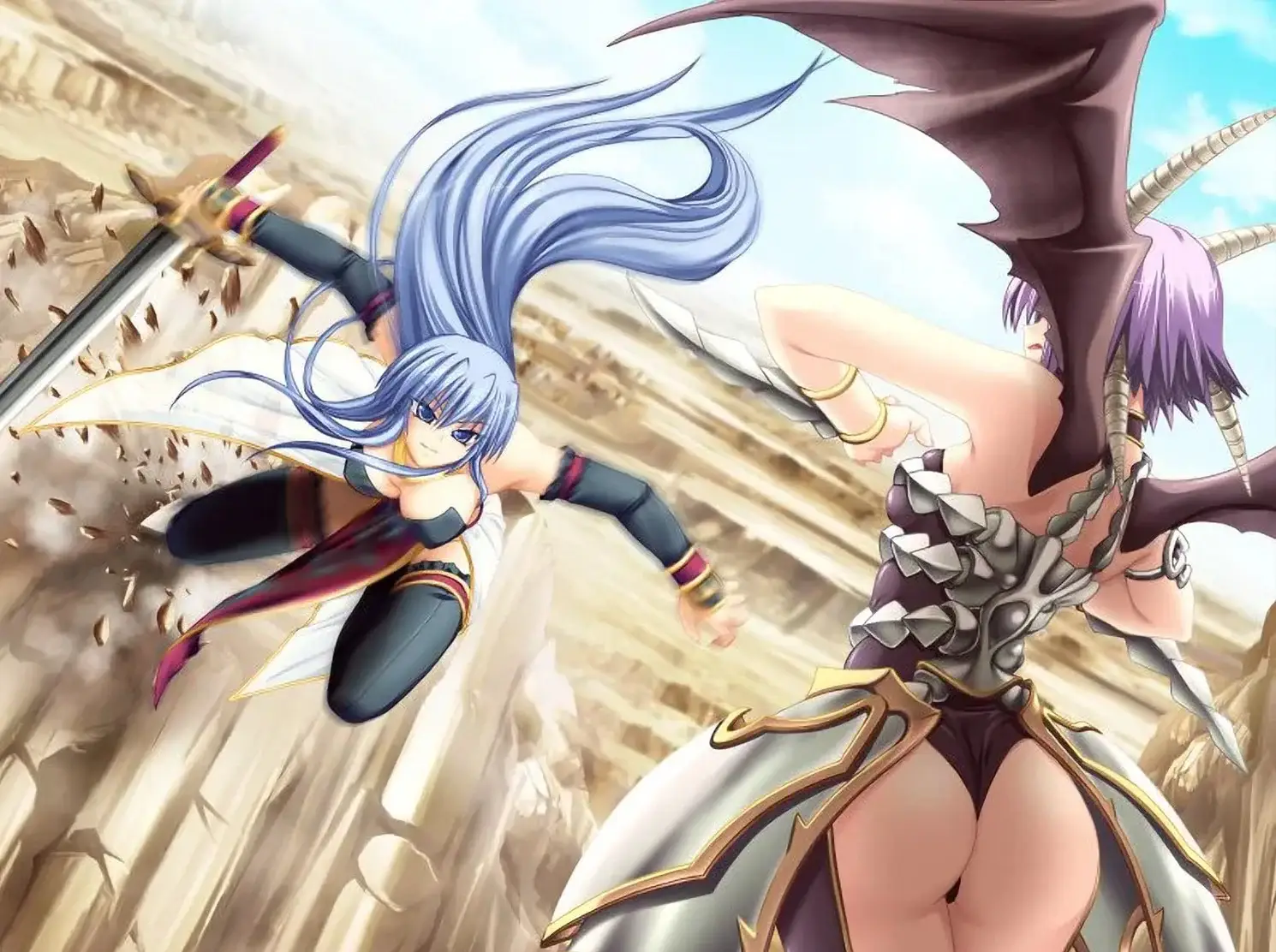
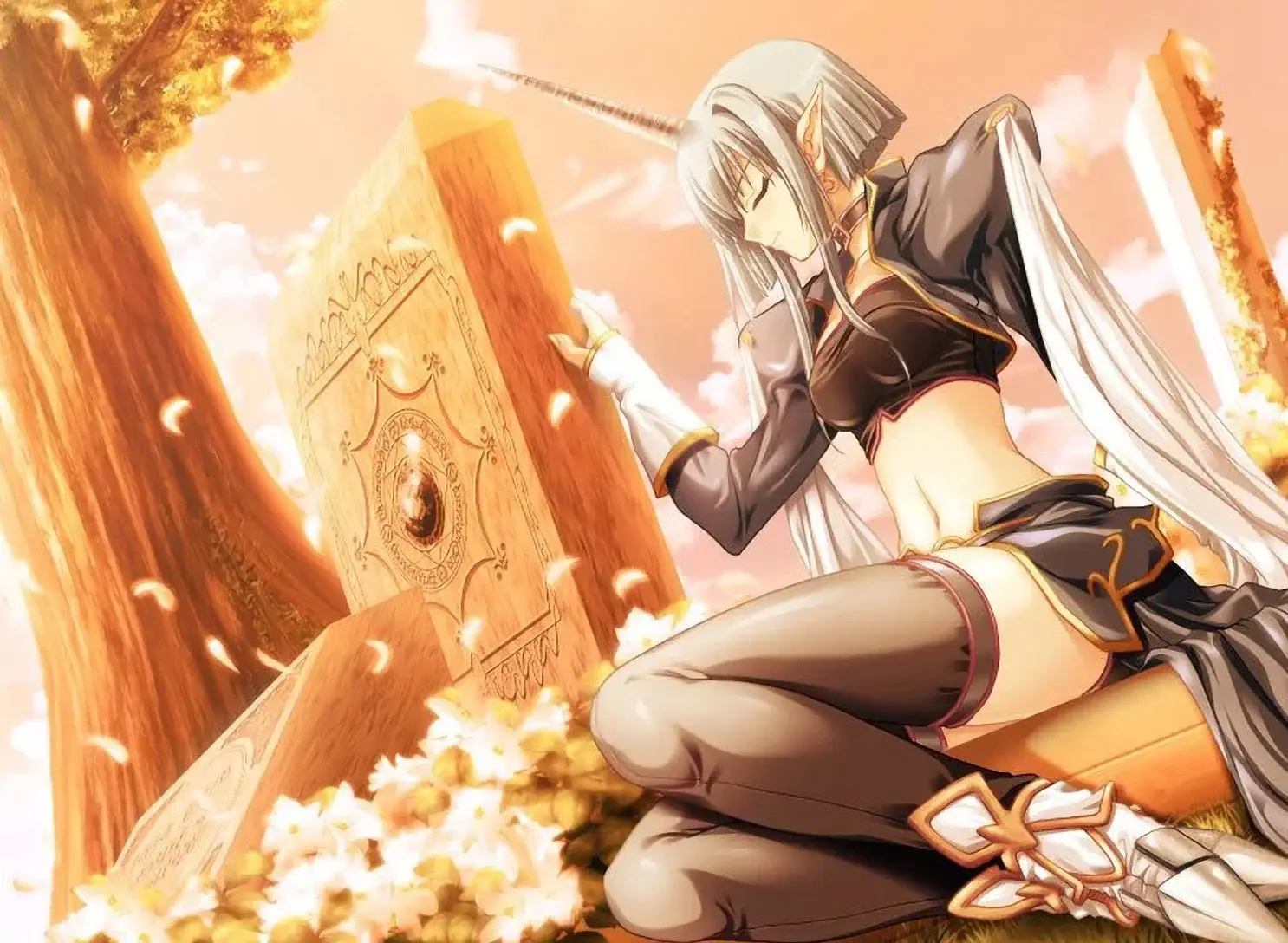
Outside of combat, you can move freely in a 2D isometric environment that uses a traditional random encounter mechanic. After getting used to more modern systems, retracing your steps through a dungeon can become a bit tedious with all the unneeded battles popping up.
Most characters have fixed statistics that improve automatically as they level up, but Celica is a complete blank slate, allowing you to distribute his stat points yourself. Be aware that this does not happen automatically; you must manually distribute the points to complete the level-up process for him.
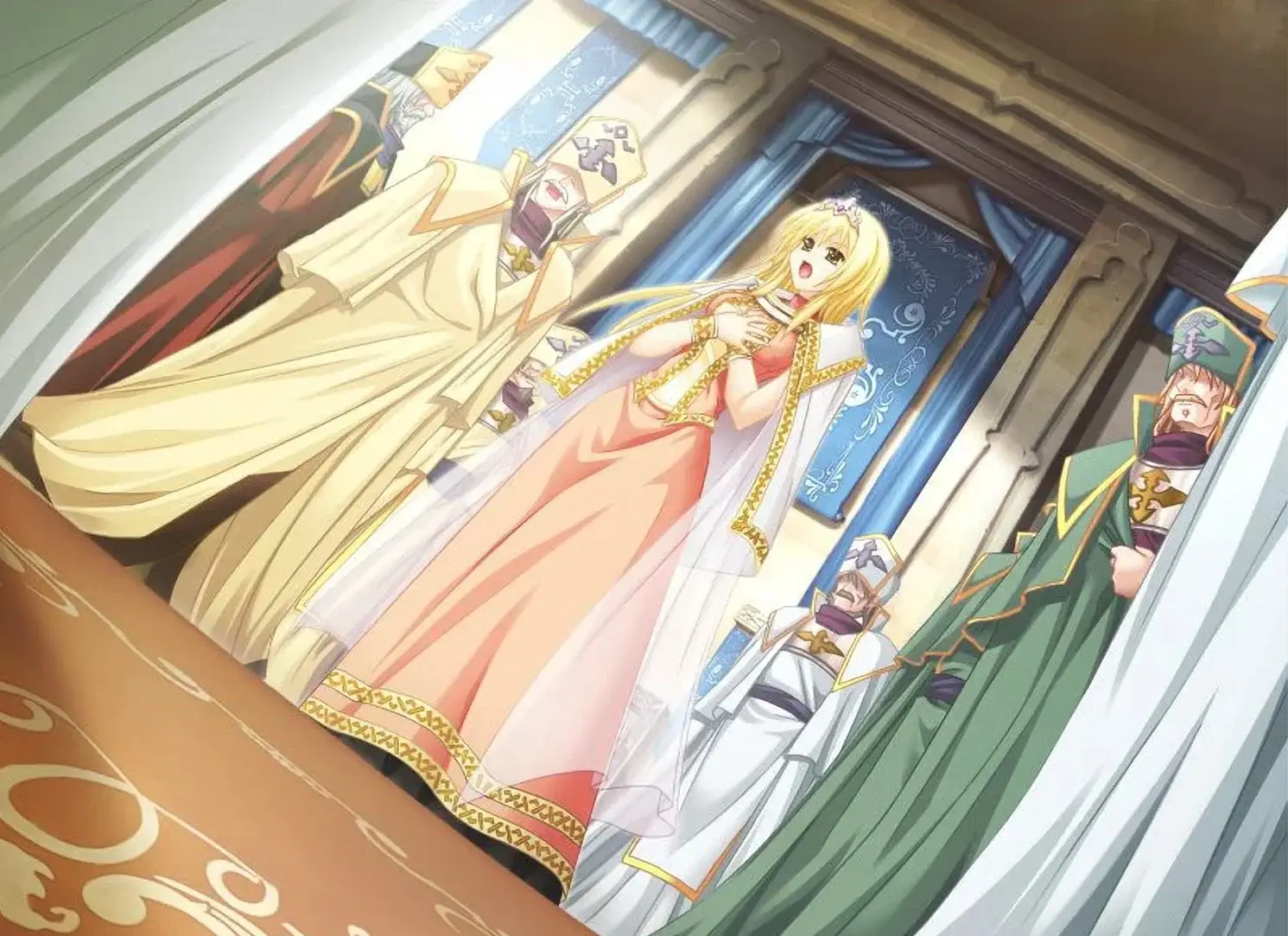

I might not be the most skilled player, but I found that some characters were quite underwhelming compared to others. I never wanted Naberius to leave my party, as her full-screen dark-element attacks made farming much easier against any enemy not immune to them.
The game is roughly 40 hours long, with about 15 hours dedicated to combat and farming, leaving a substantial amount of actual visual novel content. I did not delve deep into the farming and stuck primarily to the story routes, but completionists will likely find it takes much longer due to optional dungeons and many hidden chests.
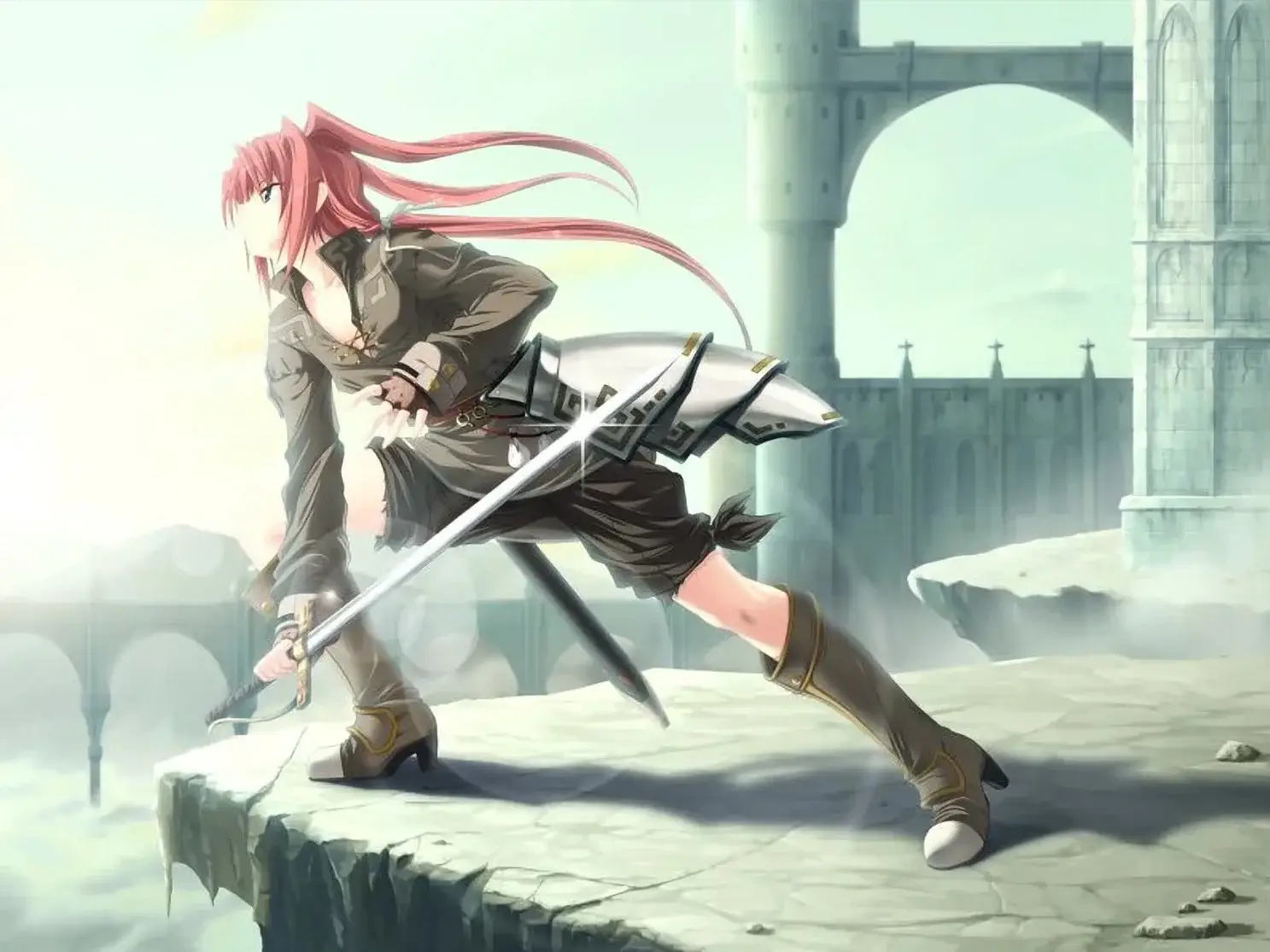
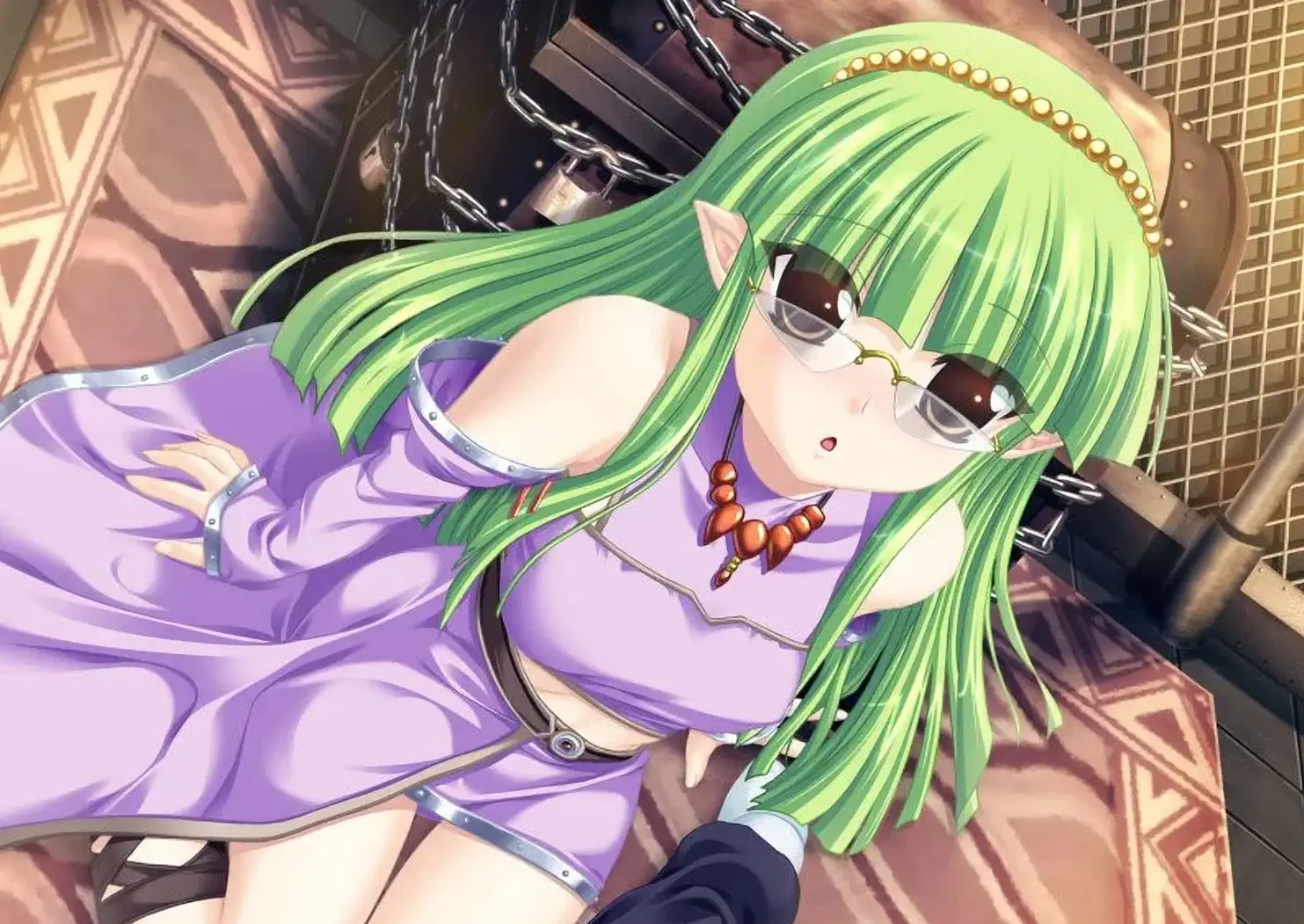
Overall, I recommend Ikusa Megami Zero if you are looking to get into the Eushully franchise. It has a few rough edges due to its age, but it remains enjoyable even in 2026. I plan to review the sequel soon and eventually move on to the latest game in the series, so stay tuned.