GJ-Bu - An incredibly unique light novel style
Recently, I’ve been reading GJ-Bu, a somewhat older light novel that also received an anime adaptation of the same name that I'm quite fond of. It’s easily one of the most unusual light novels I’ve come across in terms of both writing style and storytelling approach.
It’s a bit hard to categorize, but the closest comparison would be to call it a slice-of-life novel with a 4-koma-like structure. The story is broken into an enormous number of extremely short sketches, each one focusing on a single, self-contained scene that usually lasts no more than a few pages. There’s minimal continuity between the scenes, which makes it feel like you’re watching a montage of everyday moments rather than a single, continuous story.
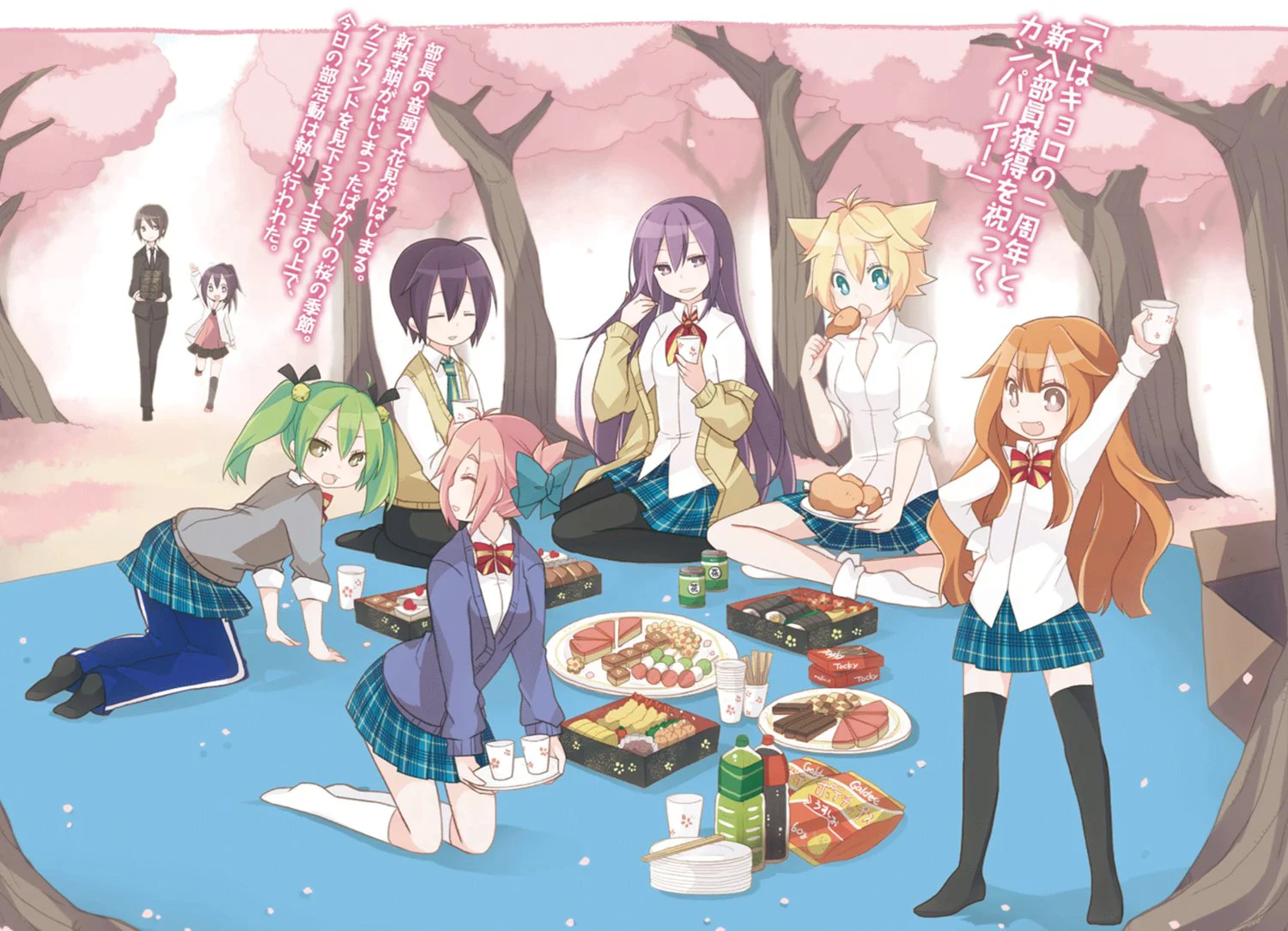 All the main cast, Kyouya Shinomiya, Amatsuka Mao, Amatsuka Megumi, Bernstein Kirara, Sumeragi Shion and Kannazuki Tamaki. Shinomiya Kasumi showing in the distance too.
The story follows the daily adventures of a small group of high school students, all members of the same club called the GJ-bu which, to be honest, doesn’t seem to have any real purpose aside from giving the members a place to hang out and pass the time together.
The main character, Kyoro, is “kidnapped” and brought into the club before the story even begins, so the novel opens with him already a part of the group. As the story progresses, a new first-year student named Tama also joins the club, adding a fresh dynamic to their quirky interactions.
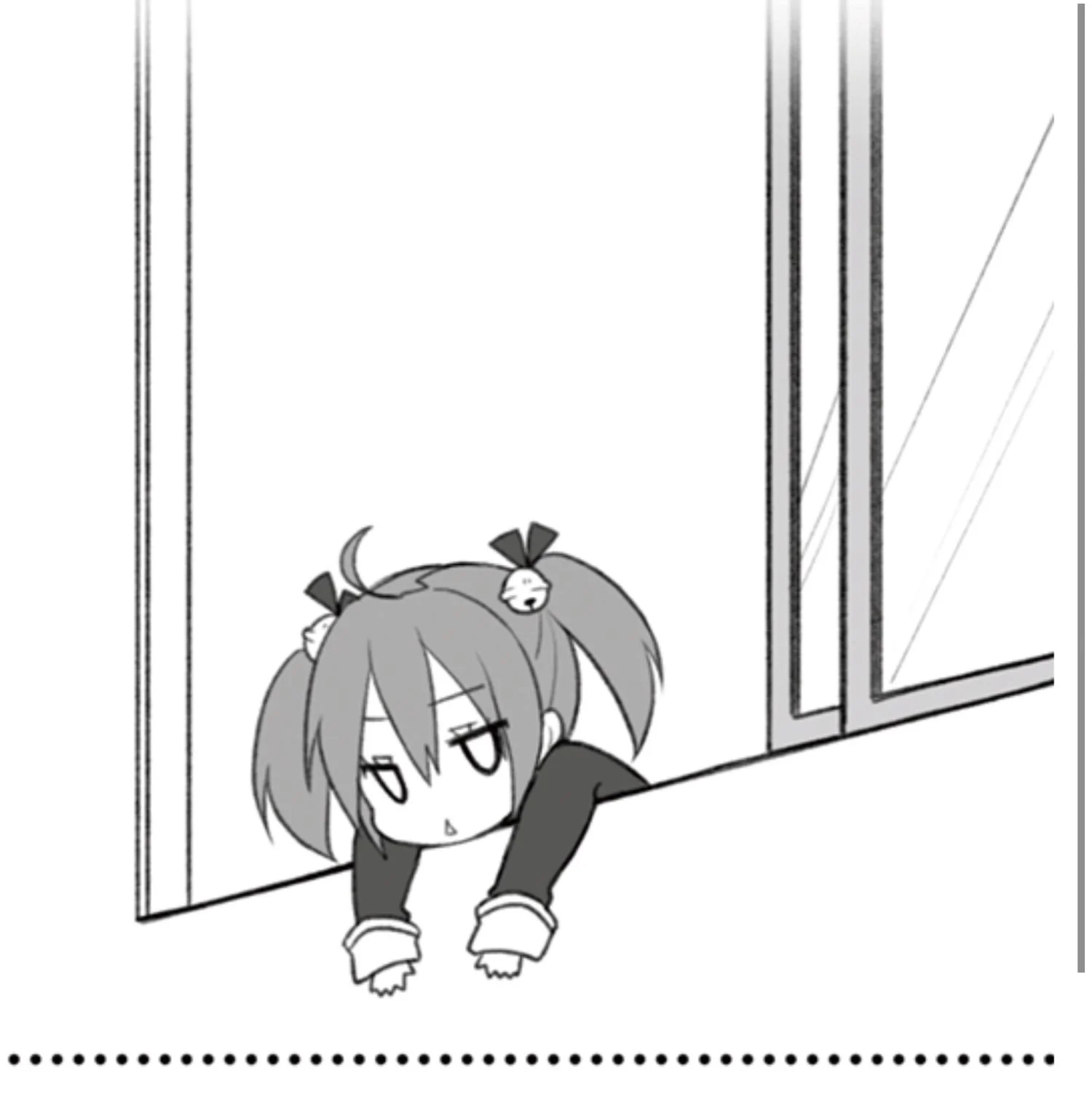
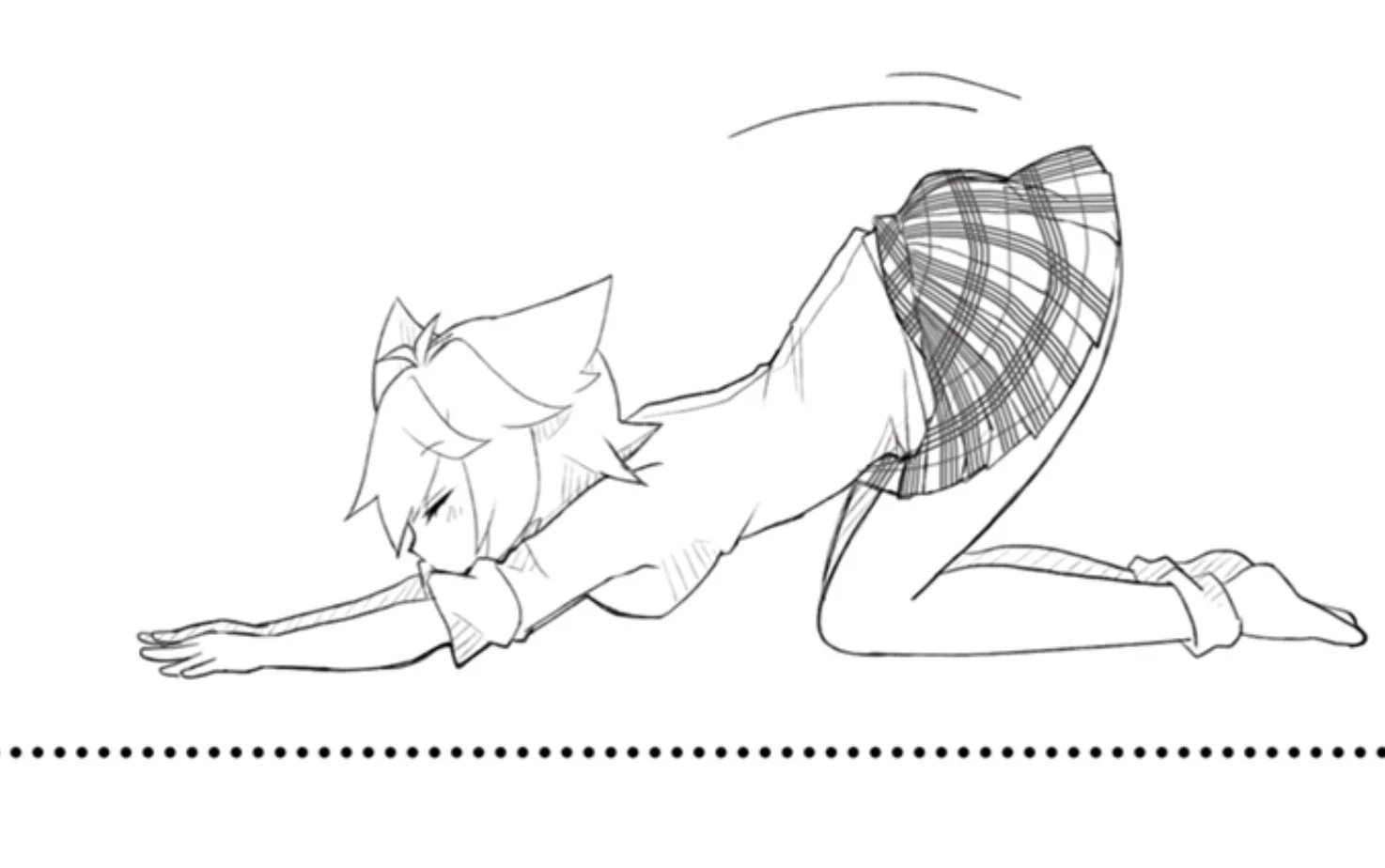
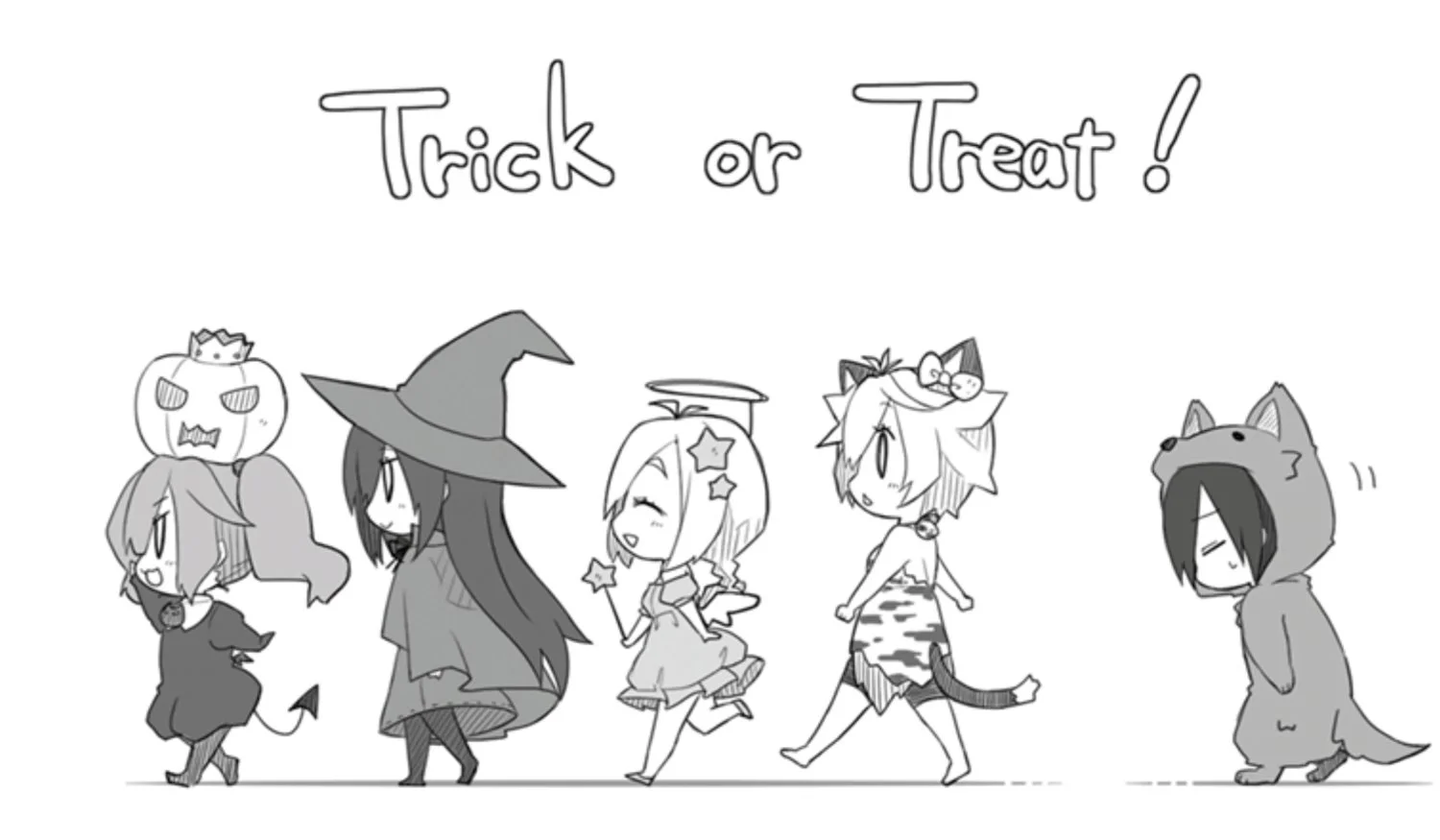
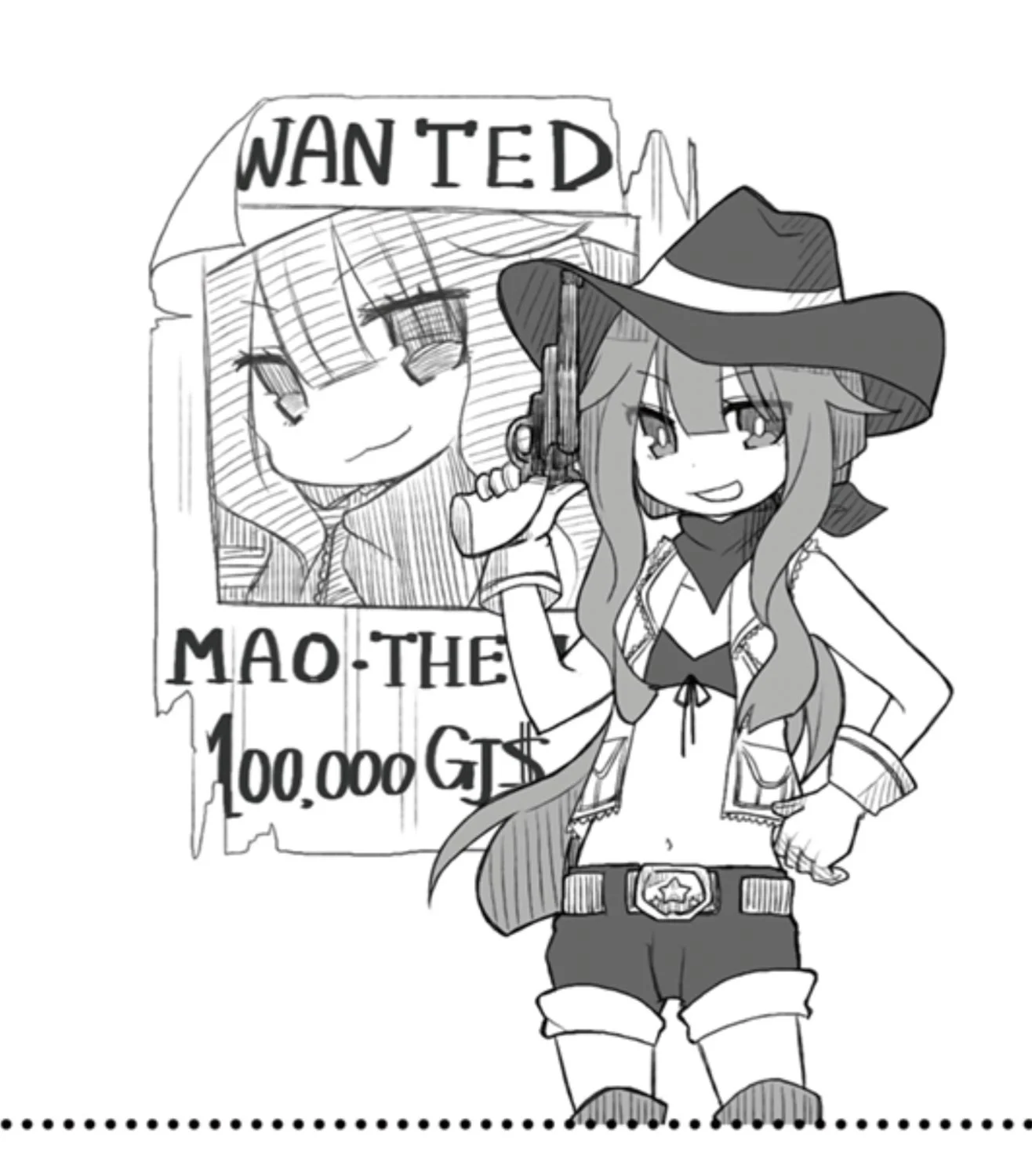
My favorite character is definitely Shion, the quiet and cool-headed genius of the group. She’s got this aloof yet endearing charm that just makes her stand out in every scene she’s in. Of course, all the other characters are genuinely likeable in their own ways, each bringing a unique flavor to the club’s dynamics. If I had to pick a least favorite, though, it would probably be Mao, the club president. Her bratty and occasionally overbearing personality can be a bit grating at times, even if it is played for laughs.
The art style is absolutely adorable, as you can probably tell from the images above. Every character has been given a distinct and expressive design that fits their personality perfectly, making them instantly recognizable and memorable. Each volume includes a surprising number of illustrations, usually about one or two for every little story segment, which really adds up given how fragmented and sketch-like the novel’s structure is.
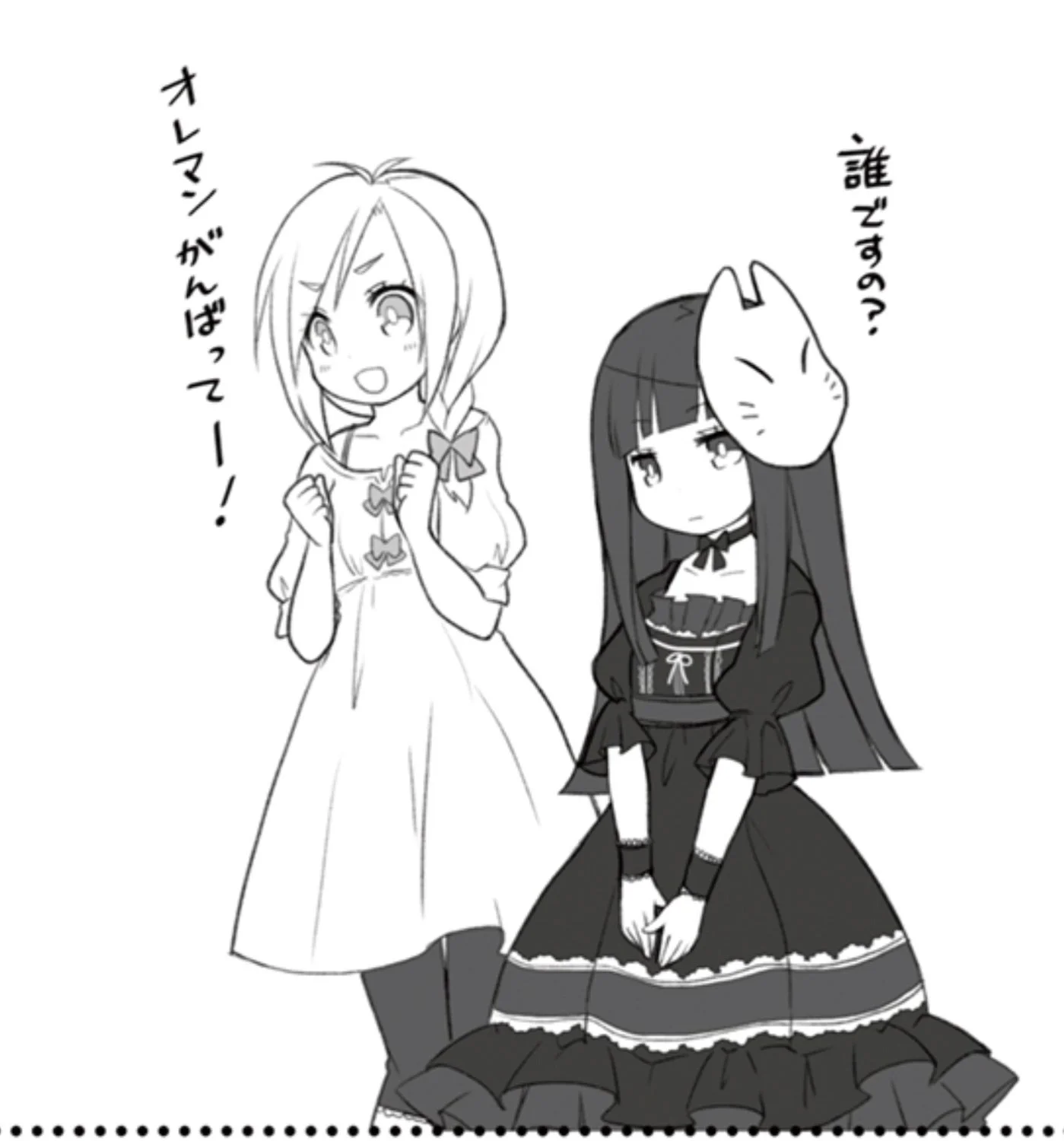 Amatsuka Megumi with her little sister Amatsuka Seira. The difference in looks is striking (personality too)
There’s also a spin-off series called GJ-bu Chūtōbu, which focuses on the younger siblings of the original cast, now in middle school. The idea of seeing that same club atmosphere through another generation’s eyes definitely seems interesting, and it might just be the next thing I pick up once I finish reading the main series.